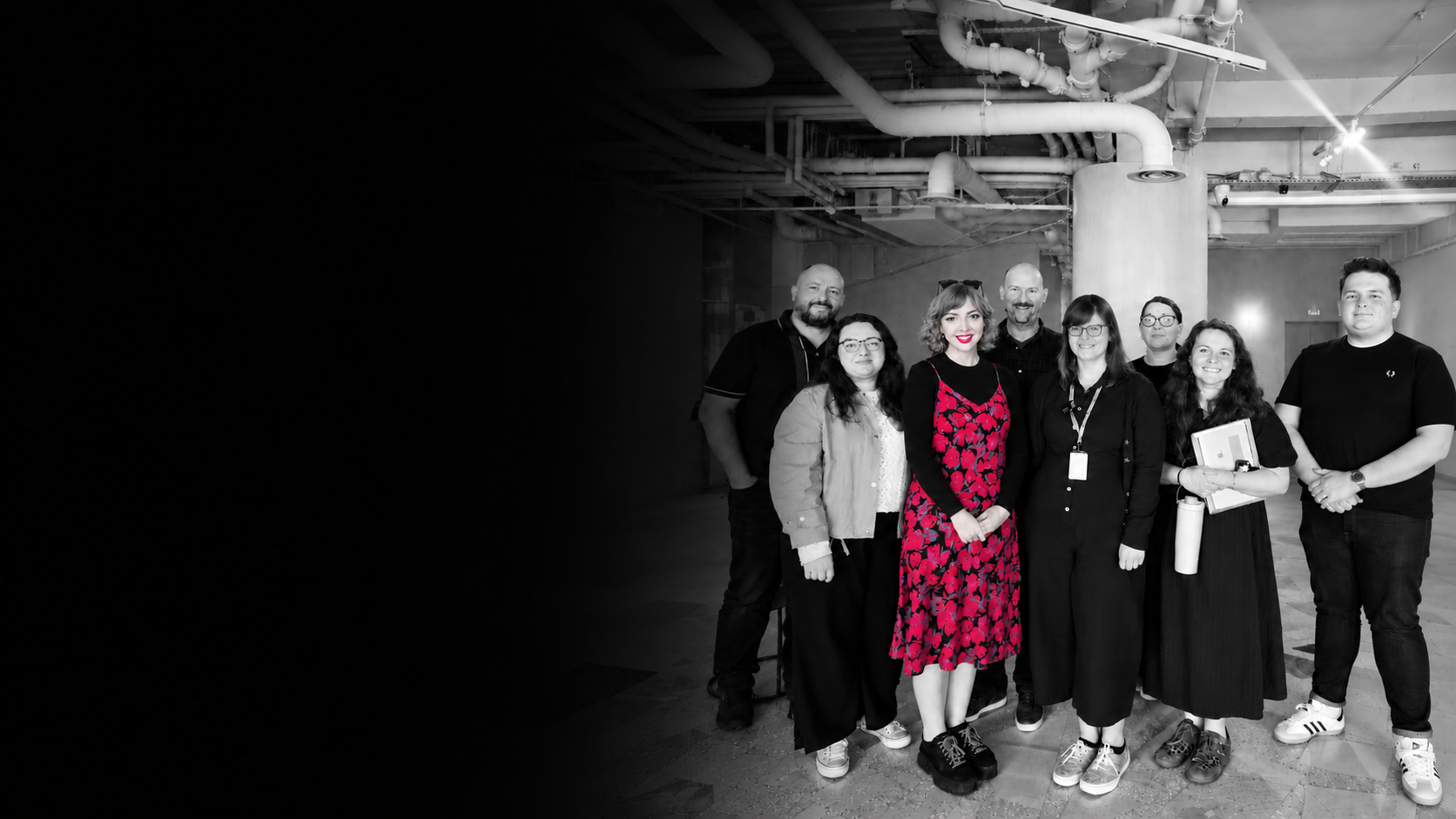
THE VALUE OF A PARTNERSHIP ISN'T WHO SITS AROUND THE TABLE. IT'S WHAT BECOMES POSSIBLE BECAUSE THEY DO.
As Co-Chair of the Greater Manchester Cornerstone Employer Group, I work at the intersection of employers, education, place and national policy, helping turn shared ambition into collective action.
I first joined Cornerstone representing AtkinsRéalis. Today, I continue to Co-Chair the group independently, bringing that experience and perspective into my work through Kommon Ground.

THE CHALLENGE
HOW DO YOU TURN A ROOM FULL OF GOOD INTENTIONS INTO AN ALLIANCE CAPABLE OF CHANGE?
Greater Manchester's education, skills and employment landscape spans ten local authorities, a population of almost three million people, hundreds of schools and colleges, thousands of employers and a growing number of programmes designed to improve young people's transitions into work.
As one of the UK's leading city regions for skills and technical education reform, Greater Manchester was advancing ambitious initiatives including the Greater Manchester Baccalaureate (MBacc), T Level expansion and a new approach to modern work experience. More than 1,000 additional T Level industry placements had already been pledged by employers across the city region.
The challenge in such a dynamic ecosystem was always going to be coherence. With multiple employer networks, partnerships and programmes operating across the system, there was a growing need to align effort, simplify engagement and ensure employers could contribute meaningfully to shared priorities.
When I joined the Cornerstone Employer Group, I saw an opportunity to help define its strategic purpose, strengthen its role within the wider ecosystem and mobilise employer influence in support of Greater Manchester's ambitions for education, skills and inclusive growth.

MY ROLE
A SYSTEM CONNECTER AND CO-CHAIR
The Careers & Enterprise Company had established a national network of Cornerstone Employer Groups that connected industry directly with local education, skills and economic agendas. I recognised that these groups offered something most organisations lacked: a structured way to understand place, build long term relationships with schools and colleges, and influence priorities alongside other employers and public-sector leaders.
As UK/I Skills, Employment and Education Lead, I could see AtkinsRéalis was already investing significantly in social impact activity, but much of this was delivered through individual relationships and local initiatives. I saw an opportunity to take a more intentional approach.
By engaging through the existing Cornerstone infrastructure, we were able to better understand local priorities, build stronger connections with decision-makers and contribute more effectively to place-based challenges. This approach ultimately led to the establishment of 14 Cornerstone leads across the UK.
As Co-Chair of the Greater Manchester Cornerstone Board my role has been to bring a systems perspective; helping employers understand where they can add value, interpreting developments across policy and practice, and ensuring conversations remain connected to the realities of delivery.
When I established Kommon Ground, I was retained as Co-Chair and continue to represent the group across regional, national and international activities, championing the role employers can play in shaping education, skills and workforce development.

MY APPROACH
PERSPECTIVE
I saw clearly that Greater Manchester didn't lack employer activity, but a connection between employers, education, place priorities and the infrastructure already trying to help.

AGENCY
I aligned the Cornerstone Board around Greater Manchester's priorities, connecting existing employer capability to live education, skills and workforce challenges.

STEWARDSHIP
I created the conditions for the Cornerstone to move from just conversation to a platform for collective action, with clearer purpose, and connections into Manchester's skills system.

01 / CONNECTING TECHNICAL EDUCATION TO PLACE
Aligning curriculum, employers and place investment
Greater Manchester's ambition for technical education through the MBacc created an opportunity to give young people a clearer line of sight between what they learn and the economy developing around them.
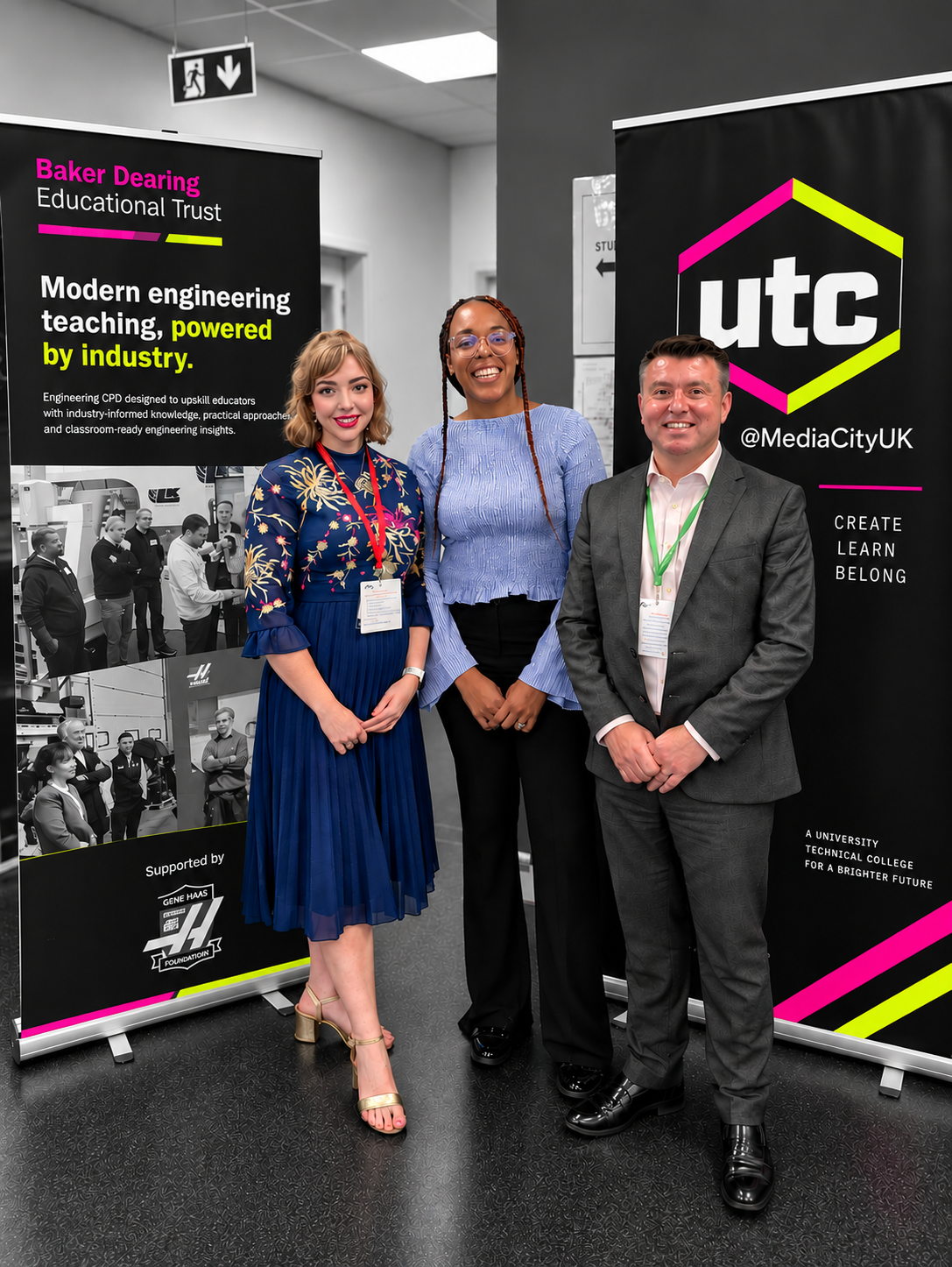
At the same time, Baker Dearing had developed its Project Award methodology through the UTC movement, providing a proven approach to employer-informed technical education. I saw an opportunity to connect the two.
Through the Cornerstone, I convened discussions between Baker Dearing, GMCA and employer partners to explore how Project Awards could support the wider MBacc ambition and become accessible beyond UTC settings. The ambition was to take an approach developed through specialist technical education and explore how its principles could create value for young people across Greater Manchester's wider secondary-school system.
The connection needed to be practical rather than conceptual.
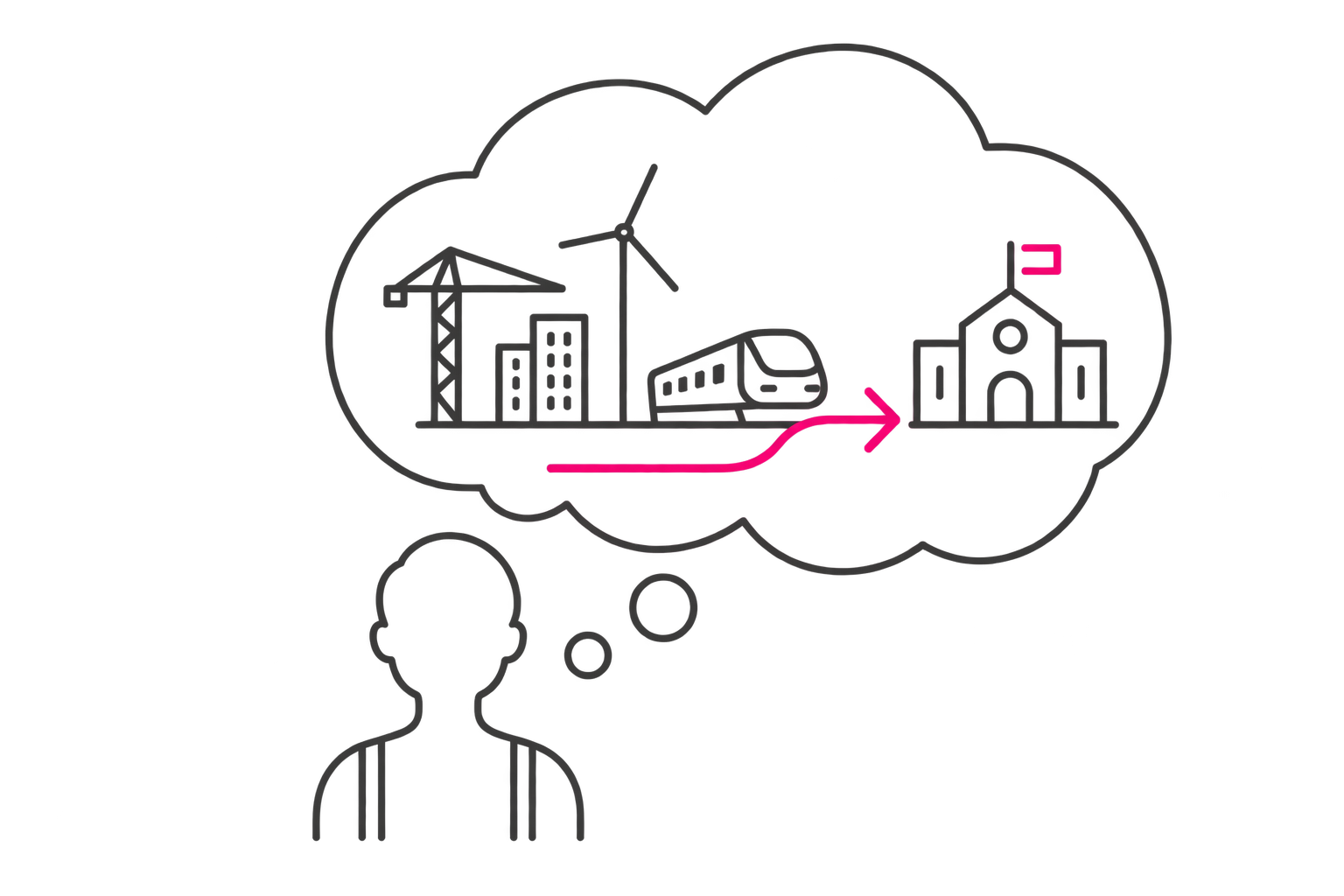
To demonstrate how the model could work, I developed and storyboarded a series of employer-led project scopes rooted in real investment happening across Greater Manchester, including Old Trafford Regeneration, Atom Valley and Rochdale Town Centre redevelopment.
The principle was simple: use live investment, real employers and genuine challenges to create richer technical learning experiences and clearer pathways into emerging sectors of the regional economy.
That work helped shift the conversation from curriculum design towards how place, investment and education could become more deliberately connected.

ONE EDUCATION ECOSYSTEM

170+ SECONDARY SCHOOLS IN SCOPE
INVESTMENT PIPELINE TO CLASSROOM


02 / WHEN ANXIETY BECOMES A WORKFORCE CHALLENGE
Turning employer capability towards a learner barrier
For many young people with SEND, the biggest barrier to employment isn't capability, but confidence.
More specifically, it's the anxiety that can come with entering an unfamiliar workplace for the first time - navigating public transport into the office, conversing with colleagues, and using the kitchen.
As someone with a visual impairment having experienced first hand this kind of trepidation, I theorised “Why are we asking young people to imagine themselves succeeding somewhere they've never seen?”
It is estimated that 90,000 children and young people could be identified as having SEND across the city region, and through the Cornerstone Board, I knew I could connect AtkinsRéalis capability in immersive technology to create a highly realistic virtual environment that could ease workplace anxiety.
Working alongside SEND settings across Greater Manchester, learners were invited to test and influence the development of a simulation capturing the entire journey into work, from greeting the concierge, taking the lifts, reporting trip hazards and booking meeting rooms.
Importantly, they were not participants - they were co-designers.
Their feedback directly shaped the technology, helping ensure it reflected the needs of young people who are often expected to adapt to systems that have not been designed with them in mind.
What began as a conversation about inclusion became an example of system innovation: applying an existing capability to a challenge it was never originally intended to solve. It
demonstrated a different way of thinking about employer partnership: start with the barrier experienced by young people, then ask what capabilities already exist across the employer ecosystem that could help remove it.

4 SPECIAL EDUCATIONAL NEEDS SETTINGS

USER TESTING & PUPIL VOICE

DIFFERENT NEEDS INFORMING CO-DESIGN

03 / SHAPING MODERN WORK EXPERIENCE AT SCALE
Turning policy ambition into a place-based delivery model
As Greater Manchester became an early adopter of Modern Work Experience, my role as Co-Chair of the Cornerstone Employer Group was to help shape what high-quality employer engagement should look like.
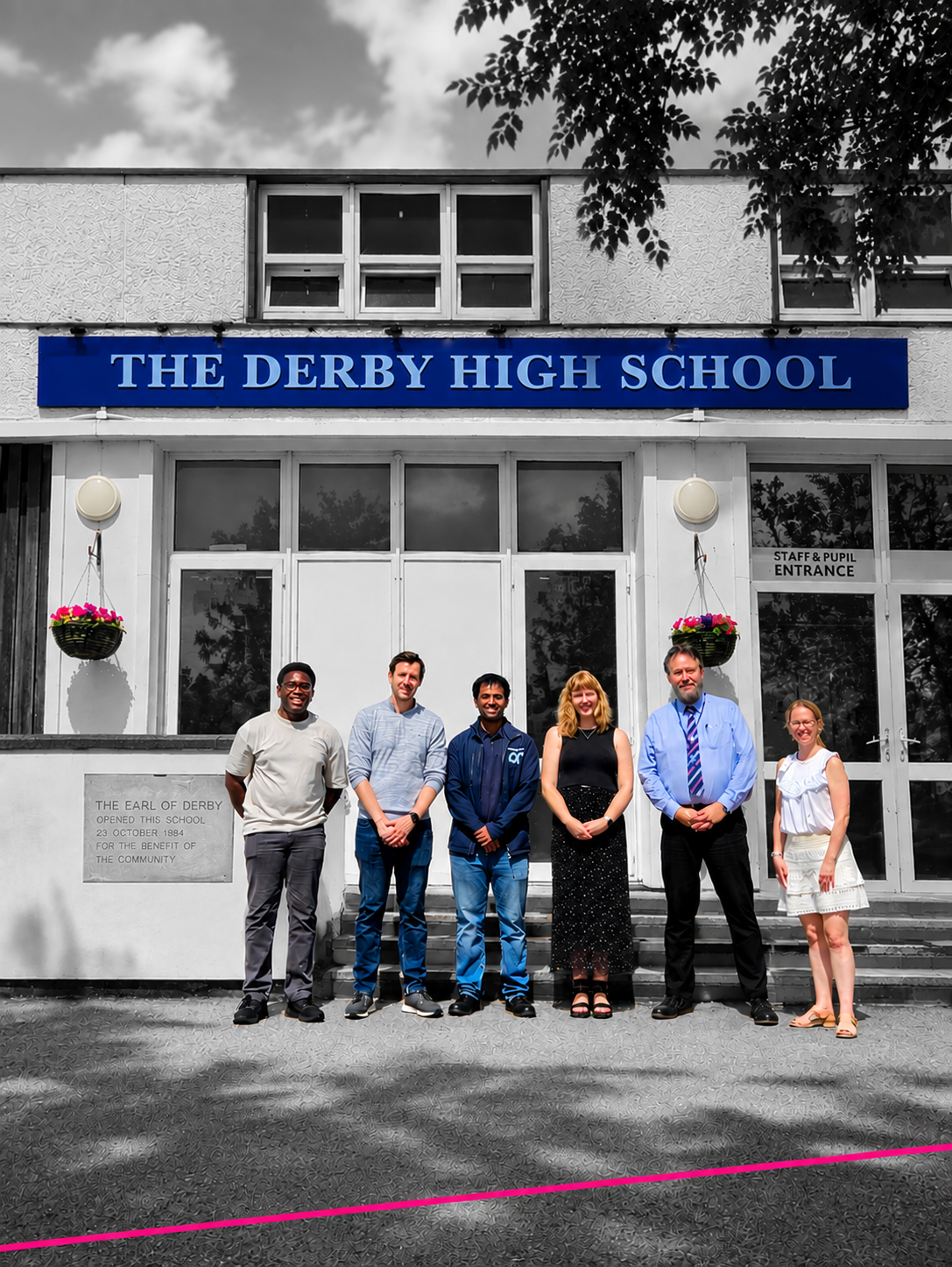
Working alongside GMCA, the Careers Hub, employers, schools and careers leaders, I helped co-design and test exemplar workplace experiences that could be replicated across the wider system. The objective was to move beyond one-off employer encounters and create a more progressive approach to workplace experience that could scale across Greater Manchester.
The impact was significant. The initial pilot involved 11 schools and 330 young people. By the second year, participation had grown to 54 schools, 1,405 young people and more than 3,500 workplace experiences, demonstrating both the appetite for the approach and its ability to scale across a complex regional system.
My contribution focused on creating a feedback loop between strategy and delivery.. By working directly with participating schools, we were able to understand what worked in practice, refine the model and share learning across the network as implementation expanded.
The work also created opportunities to respond to challenges emerging from the system itself. Recognising the importance of numeracy, financial confidence and their relationship to future employment outcomes, I worked with AQA to co-create a Financial Literacy module that responded to priorities identified within the region and could be integrated into the wider Modern Work Experience offer.
That's what effective system change requires: not just delivering activity, but creating approaches that can be tested, learned from and adopted at scale.

FROM PILOT TO SCALE