
GOVERNANCE ISN'T JUST ABOUT UNDERSTANDING THE SCHOOL.
IT'S ABOUT UNDERSTANDING THE PLACE AND THE FUTURE THE SCHOOL IS PREPARING YOUNG PEOPLE FOR.
Through my work creating the UK's first STEM Governor model, leading national pilots with the Cabinet Office and serving as a governor within specialist education settings, I have explored the role governance can play in connecting education with industry, technology, opportunity and place.
What started as an effort to bring industry expertise into school governance evolved into an accolade from the WORLD ECONOMIC FORUM, recognising my work as an example of global, scalable innovation for inclusion.
Today, that experience informs my work through Kommon Ground, helping schools and trusts bring a wider perspective into governance and leadership.
THE CHALLENGE
EMPLOYERS WERE IN THE CLASSROOM. WHY WEREN'T THEY IN THE BOARDROOM?
Across the country, employers were already engaging with schools through careers events, enrichment activities, mentoring, work experience and curriculum support. The problem with that style of engagement is that it was often short-term, transactional and disconnected from the strategic decisions schools were making about attainment, destinations and long-term improvement.
At the same time, I knew the skills gap was widening. Employers across engineering, infrastructure, technology and other growth sectors were reporting increasing challenges in attracting and recruiting the talent they needed, while long-standing disparities in participation persisted across gender, disability and socioeconomic background. Many of the sectors driving future economic growth remained inaccessible or invisible to large parts of the education system.
Ultimately, employers rarely had visibility of a school's context, priorities or challenges and schools rarely had sustained access to industry insight, labour market intelligence and future workforce trends.
As a result, many of the conversations shaping young people's futures happened outside the boardroom, while many of the decisions shaping those futures happened inside it.
I saw an opportunity to bring those worlds together through governance, creating a route through which industry expertise, economic insight and long-term relationships could inform the strategic decisions schools were already making.

MY ROLE
I WAS THE THOUGHT-LEADER AND ARCHITECT OF A FUTURE OF INCLUSION LIGHTHOUSE MODEL FOR INDUSTRY-INFORMED GOVERNANCE
Rather than asking how employers could contribute another activity to an already busy school calendar, I explored how industry insight, professional expertise and employer networks could contribute directly to governance and leadership.
I developed the original concept, established the founding partnerships and designed the governance model that connected professionals from engineering, infrastructure, technology and other growth sectors with schools and trusts.
I led the programme from inception, becoming the first governor appointed through the model and using that experience to refine, test and evolve the approach in practice.
My role extended beyond programme delivery. I was responsible for shaping the strategic vision, building support across employers and education partners, and demonstrating how governance could become a mechanism for connecting schools more intentionally to the economy, future skills and opportunity.
The wider model was subsequently recognised by the World Economic Forum through its Future of Inclusion Lighthouse programme, recognising the potential of governance as a scalable mechanism for connecting education, industry and opportunity.

MY APPROACH

PERSPECTIVE
I saw clearly that industry insight was reaching schools through careers activity, but rarely reaching the boardroom where strategy was shaped.

AGENCY
Rather than scattering governors indiscriminately, I concentrated them in communities experiencing the most inequity including Girls’ schools, SEND settings and deprived areas.

STEWARDSHIP
I created the conditions for employers to become a sustained source of strategic insight developing tools that allowed the approach to scale.


01 / A GOVERNANCE INNOVATION
STEM Governors: Can industry expertise strengthen governance?
While employers were investing significant time and resource into careers events, enrichment activities, mentoring and work experience, many of the structural challenges affecting progression into Science, Technology, Engineering and Maths (STEM) remained stubbornly unchanged.
Women remain significantly underrepresented in engineering and technology careers, making up only around 17% of the workforce, while young people with disabilities continue to face substantial employment gaps. At the same time, schools serving disadvantaged communities often have the weakest connections to the industries driving economic growth, and concerns continue around the long-term sustainability of subjects such as Design & Technology within the education system.
I believed governance offered an opportunity to respond differently.
Working in partnership with Boards for Education I was the architect of the STEM Governor model, creating a route for professionals from engineering, infrastructure, technology and other growth sectors to contribute through governance.
I deliberately targeted the approach such that governors were placed across SEND provision, girls' schools, schools serving disadvantaged communities, and settings spanning primary through to further education. My aim was to create visibility across the learner journey, understand where opportunity gaps emerged and build a governance network capable of responding to some of the biggest challenges affecting participation in STEM.
I wanted to create a model that could be replicated, scaled and adopted by others.
To support this, I developed the UK's first STEM Governor Toolkit, bringing together organisations including the Design and Technology Association, the Association for Science Education, National Centre for Computing Excellence and National Centre for Excellence in Teaching Mathematics. The toolkit translated the concept into a practical framework, helping employers understand how governance could contribute to educational outcomes while helping schools maximise the value of industry expertise within strategic leadership.
I actively shared the model with national employers, influencing organisations including Heathrow Airport, Network Rail, Thales and the Royal Air Force to develop their own governance programmes and explore how governance could become part of their wider education, skills and social impact strategies.
The model ultimately created a national network of industry-informed governance capable of responding to some of the most persistent challenges affecting participation, progression and opportunity across the education system.


126 GOVERNORS APPOINTED ACROSS 150 SCHOOLS

UK’S FIRST STEM GOVERNOR TOOLKIT
MODEL ADOPTED BY MAJOR NATIONAL EMPLOYERS

02 / A NATIONAL PILOT WITH THE CABINET OFFICE
TechGovernor and Future Skills Governor: What expertise will governance need in the future?
The success of the STEM Governor model raised a broader question.
If governance could benefit from access to industry expertise, what other perspectives might boards need as technology, skills requirements and the economy continued to evolve?
As one of the Government's Strategic Suppliers, AtkinsRéalis was invited to participate in a collaborative project with the Cabinet Office.
I developed, designed and tested two new practical governance interventions that unlocked external investment, accreditation pathways, benchmarking tools and national programmes through the guise of TechGovernor and Future Skills Governor.
TechGovernor
Working alongside the Department for Science, Innovation and Technology and the newly emerging TechFirst agenda, the TechGovernor model explored how governance could support strategic decision-making around digital capability, workforce readiness and future skills by supporting schools to understand digital maturity, identify opportunities for accreditation and access wider programmes and investment linked to AI, cyber and technology education.
Future Skills Governor
Research from the Careers & Enterprise Company's Start Small; Dream Big programme highlighted the importance of exposing children to opportunity, aspiration and role models from an early age. Careers Wales was reaching similar conclusions through its own work on career development and progression. Yet there remains no statutory requirement for a Careers Leader in primary education.
Rather than waiting until secondary education to address aspirations, stereotypes and career bias, I explored how governance could become a mechanism for embedding future skills thinking much earlier in the learner journey.
Working with participating schools, we developed a Future Skills Governor audit framework to help schools understand their starting point, benchmark existing activity and connect with resources, programmes and external partners capable of strengthening provision.


3 SCHOOLS ACCEPTED ONTO THE CAREERS WALES GOLD PILOT

1 SCHOOL ACCEPTED ONTO SKILLS BUILDER CPD
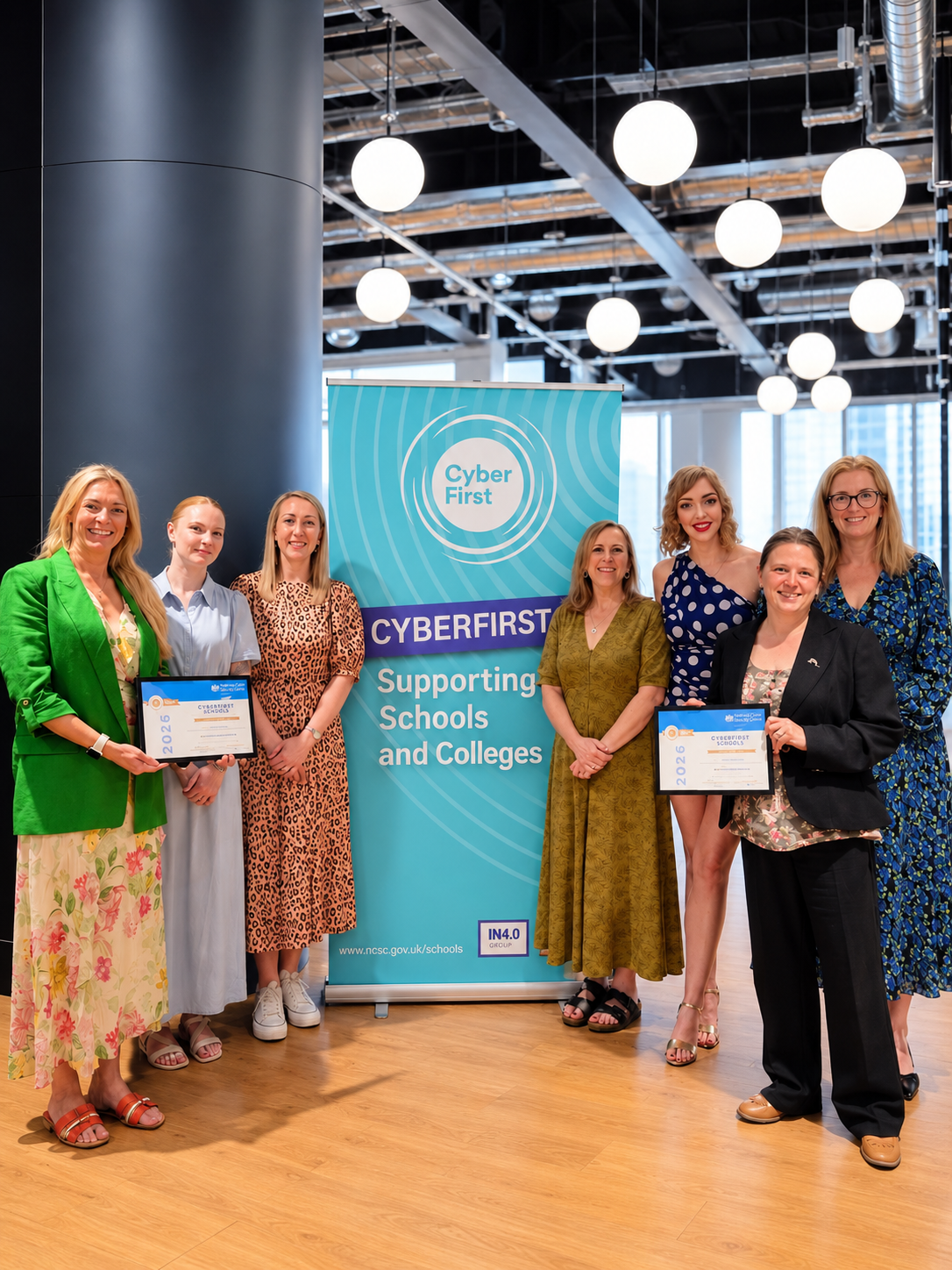
FIRST UK SEND SETTING TO ACHIEVE TECHFIRST GOLD


03 / MY OWN GOVERNANCE PRACTICE
Putting governance for opportunity into practice at the Together Trust
Designing a model is one thing, but applying it in practice is another.
While leading the national STEM Governor programme, I became the first governor appointed through the strategic partnership with Governors for Schools. What began as a professional interest in governance has developed into a long-term commitment to using governance as a mechanism for creating opportunity.
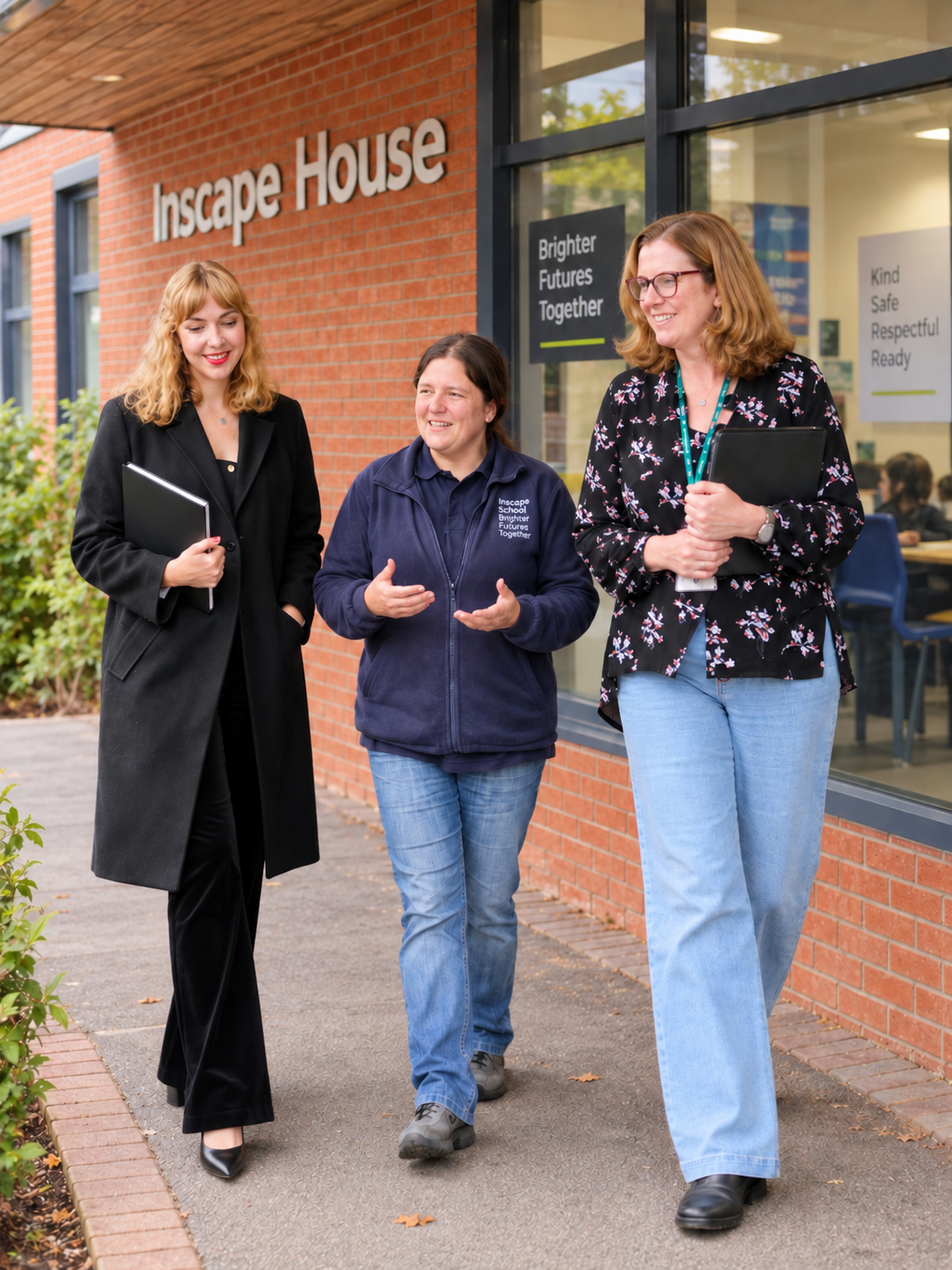
My governance experience has been rooted within specialist education settings operated by the Together Trust, including Bridge College and Inscape House School.
For learners with additional needs, barriers can often sit outside the classroom. Transport, confidence, accessibility, employer networks, visibility of careers and exposure to new experiences can all influence participation and outcomes.
This transformed my thinking beyond Industry-Informed Governance towards a broader concept:
Governance for Opportunity
My idea to use governance intentionally to connect young people with opportunities that would otherwise remain out of reach included enabling more than 80 learners and staff to travel on the Flying Scotsman to open conversations about engineering, transport, accessibility, mobility and future careers. I designed the day as both an enrichment experience and as a tool for advocacy, profiling how transport infrastructure can either enable or restrict access to opportunity.
Alongside this, I used governance to connect specialist settings to wider opportunities in digital, cyber and future skills. Through engagement with TechFirst, Inscape House School became the first education setting in the UK to achieve Gold accreditation, while Bridge College achieved Bronze recognition.
I have always seen governance to be more than oversight and more a mechanism for opening doors - for connecting learners to industries, experiences, networks and opportunities that sit beyond their immediate environment. And for ensuring that discussions about future skills translate into real-world opportunities for the young people who need them most.