How might we redesign the conditions for better outcomes?
Kommon Ground starts with purposely provocative questions, not predetermined solutions.
We look beyond the immediate problem to understand what is shaping it, where influence already exists and what could change if people and organisations used that influence differently.
Three connected principles guide how we approach that work:
THREE PRINCIPLES SHAPE HOW WE THINK


Perspective
SEE CLEARLY.
See beyond your organisation and learn about the system you're part of. Recognise how relationships, decisions and conditions shape outcomes for communities and places.


Agency
ALIGN INTENTIONALLY.
Focus your energy where it can make the greatest difference. Use your influence, relationships and resources to unlock opportunity and create meaningful change.

Stewardship
CREATE THE CONDITIONS.
Act for the strength of the wider system, not just your own organisation. Help build the conditions for progress that lasts beyond your involvement.
Kommon Ground is built around three principles for working with complex challenges.
They help organisations understand the wider system they're part of, decide where they can make the greatest contribution, and leave behind stronger foundations for opportunity and progress.

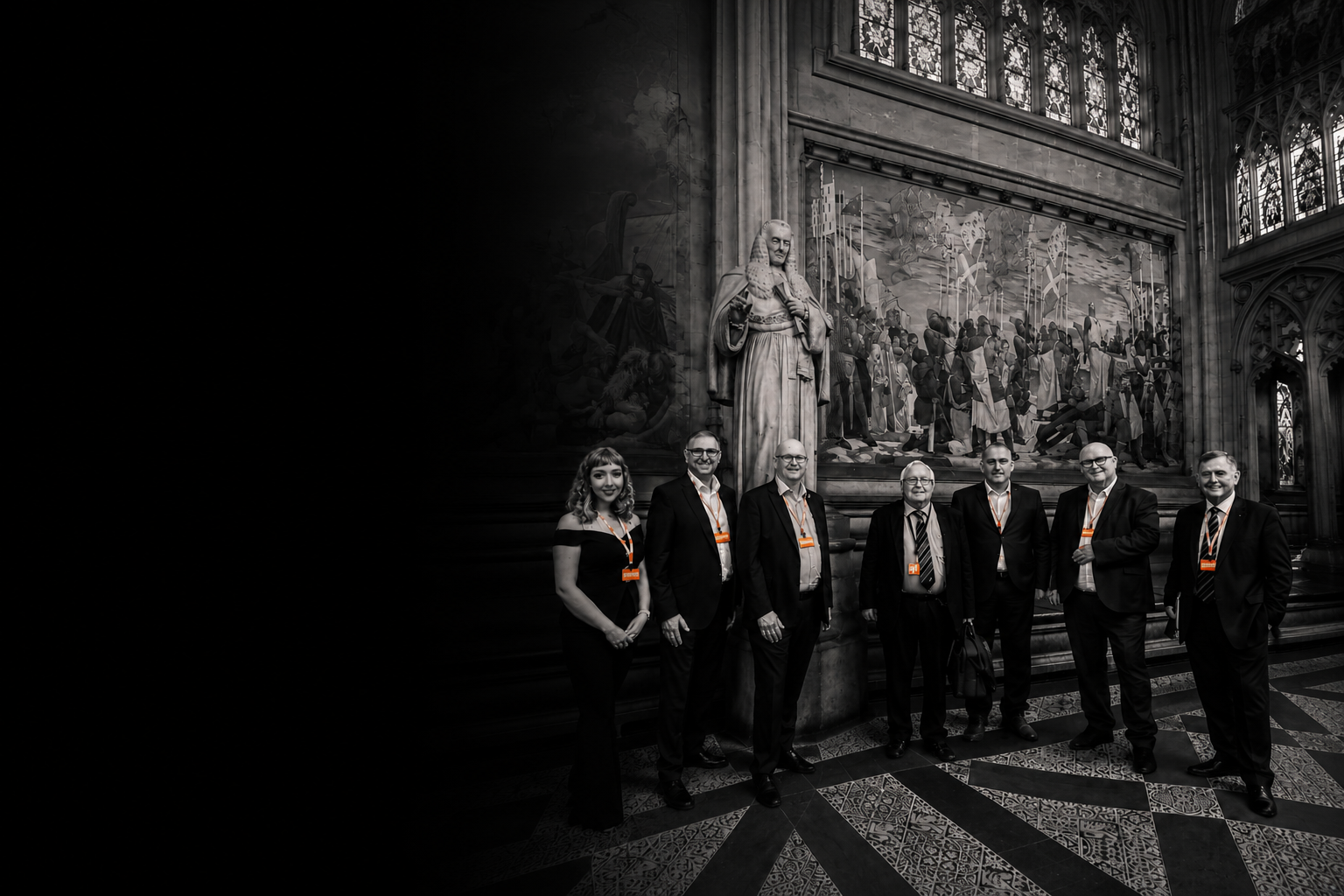

Jess brings a rare combination of strategic insight, empathy and delivery focus to complex, cross-sector challenges. Her ability to convene stakeholders across government, industry and education - and build consensus on policy and workforce priorities - is exceptional.

PHILIP VIRGO
Former Secretary General, Digital Policy Alliance and Co-founder, Parliamentary IT Committee
FROM PRINCIPLES TO PRACTICE
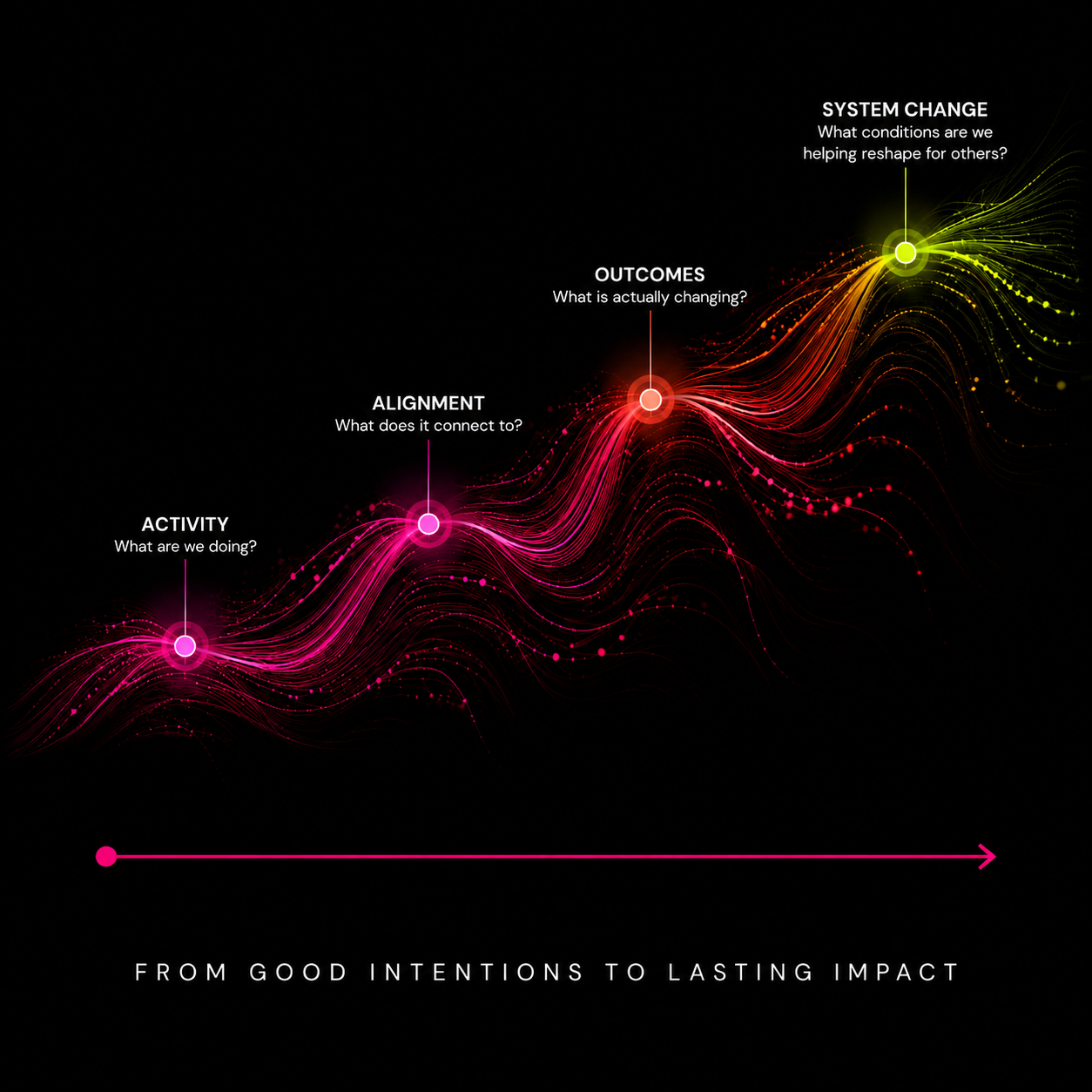
Our three principles provide the foundation for how we think about change. The maturity diagnostic helps organisations understand where they are today and what progress looks like as they develop greater perspective, agency and stewardship.
In skills and social impact, progress looks different depending on where you sit.
For an EMPLOYER it might mean moving beyond the front door of volunteering, donations and standalone programmes to becoming an active participant in the wider system by investing in evidence and innovation, building long-term partnerships and using organisational influence to help address the underlying challenges affecting future talent and opportunity.
For EDUCATION it might mean looking past careers activity and employer encounters towards becoming an opportunity-led institution - understanding the ecosystem in which young people grow up, and bringing employers, communities and wider services into the endeavour of preparing students not just for their next transition, but for adult life.
For GOVERNMENT & PLACE, it can mean turning investment, policy and ambition into a shared architecture for action - creating clear, measurable outcomes that employers, education and other institutions can anchor into, and using commissioning, procurement and partnership to align their collective contribution to place.
Maturity isn't a measure of success or failure. It's a way of understanding what progress looks like from where you stand, helping organisations have better conversations about priorities, partnerships and impact.
There is no single path to progress. Every organisation starts from a different place, but the direction of travel is the same: towards greater alignment, clearer outcomes and stronger conditions for opportunity.
WHAT DOES PROGRESS LOOK LIKE FROM WHERE YOU STAND?